South East Queensland Crime Trends in 2026: What Homeowners Can Do Now
This is a subtitle for your new post

Families across South East Queensland are hearing mixed messages about crime. Some headlines say victim numbers are falling. Others point to rising assaults and ongoing community concern. The honest answer is that both things can be true depending on the suburb, the offence type and the timeframe being measured. Across the latest SEQ regional data, some areas recorded lower overall and property-crime rates, while others still moved in the wrong direction. That means the right response is not fear, and it is not complacency either. It is practical prevention.
Looking specifically at South East Queensland, the 2023–24 regional figures showed overall recorded offence rates falling in areas including Ipswich, Brisbane South, Brisbane Inner City, Moreton Bay North, Moreton Bay South and the Sunshine Coast. But they rose in places including the Gold Coast, Logan–Beaudesert, Brisbane East, Brisbane North and Brisbane West. Property crime showed the same mixed pattern. Brisbane South, Brisbane Inner City, Ipswich and Moreton Bay North improved, while the Gold Coast, Logan–Beaudesert, Sunshine Coast and Brisbane West all recorded increases in property offence rates. In plain English, that means broad statements like “crime is down everywhere” do not hold up well under scrutiny.
Statewide recorded-victim data tells a similar story. In Queensland during 2024, robbery victims fell 7%, unlawful entry with intent fell 9%, and motor vehicle theft fell 4%. Those are encouraging signs for households worried about break-ins and stolen cars. But assault victims rose 5% to 61,644, while sexual assault victims rose 11% to 9,326, the highest level in the series. So the more accurate takeaway is this: some property-crime indicators are improving, but serious personal offending is still a major issue.
More recent government updates have leaned positive. In October 2025, Queensland reported that victim numbers per capita across nine major categories were down 10.8% for January to September 2025, with stolen car victims down 15.6%, break-ins down 21.2% and robberies down 12.6%. In early 2026, the government and ABC again referred to a 7.2% reduction in victims in 2025. But that figure has also been challenged publicly by criminologists over how “victims” were defined and compared. That matters because homeowners deserve facts, not slogans. The sensible conclusion is that there are positive movements in some categories, especially property crime, but there is still enough risk in SEQ to justify taking home security seriously.
So what can people actually do in their own homes?
Queensland Police recommend a layered home security approach. That means looking at security from the outside in: perimeter, walls and access points, internal areas, property and the habits of the people living there. The point is simple. Most break-ins are opportunistic. Offenders tend to look for easy entry, poor visibility, visible valuables, open windows, unsecured keys, weak doors and homes that appear unoccupied.
Start with the basics first, because that is where many homes lose the fight. Keep external doors locked even when someone is home. Make sure doors are solid and fitted with quality locks. Fit proper window locks. Store house keys, car keys, wallets and phones out of sight. Keep garages and sheds shut and locked. Trim trees and shrubs so offenders have fewer hiding spots and better visibility into the property. Add perimeter lighting or sensor lights around vulnerable access points. These are simple steps, but they directly target the sort of easy opportunity offenders look for.
Vehicle security also matters more than many homeowners realise. Queensland Police note that street parking increases the risk of theft. Off-street parking, locked gates and locked garages are better. Doors should always be locked, windows fully closed and valuables kept out of sight. A compliant engine immobiliser is one of the strongest deterrents against opportunistic vehicle theft, but it is still useless if offenders can get easy access to your keys. In many home break-ins, the target is not just what is inside the house. It is the vehicle sitting outside as well.
CCTV and alarms are most effective when they are part of a proper system, not just a box off the shelf. Queensland Police describe CCTV as a crucial investigative tool and encourage households to register cameras through the Community Camera Alliance, which helps police identify where useful footage may exist after an incident. Cameras should be positioned to cover real entry and exit paths, not just random angles. Alarms should protect vulnerable doors, windows and garages. Good lighting should work with the cameras, not against them. And for many households, monitoring is what turns a noise into an actual response.
Neighbourhood habits still matter too. The Queensland Police Safer Together initiative focuses on reducing home break-ins and vehicle theft partly through stronger local awareness and community participation. That means knowing your neighbours, reporting suspicious activity early, and not assuming somebody else will do it. If something is happening right now, call Triple Zero. If it is non-urgent, Queensland Police say residents can report online or contact Policelink on 131 444. Fast reporting helps protect more than one house. It protects the whole street.
At Australian Security Company, the goal is not to scare people. It is to help homes and businesses in Brisbane, the Gold Coast, Logan, Ipswich, Moreton Bay and the Sunshine Coast build smarter protection. That means layered security, better entry-point protection, properly positioned CCTV, alarm systems that suit the property, and monitoring that adds real value when seconds matter.
Because whether crime is slightly down, slightly up, or mixed across South East Queensland, the same truth remains: the easier a property looks, the easier it is to target.
Sources used
Queensland Treasury, Crime report, Queensland, 2023–24.
Australian Bureau of Statistics, Recorded Crime – Victims, 2024.
ABC News, Queensland to expand to adult crime, adult time laws for a second time (3 February 2026).
Queensland Ministerial Media Statements, Fewer victims of crime as 2,986 youths charged under Adult Crime, Adult Time (7 October 2025).
Queensland Ministerial Media Statements, Statewide crackdown on break-ins, robberies and stolen cars to reduce victims of crime (25 February 2026).
Queensland Ministerial Media Statements, 1,300 charged with 4,000 offences amid South Brisbane police blitz (2 March 2026).
Queensland Police Service, Home and multi-residential security, Vehicle and bike security, Community Camera Alliance, Safer Together, and Policelink – Reporting.
A strong next move would be to turn this into a suburb-targeted version for Brisbane, Gold Coast, or Logan so the SEO intent is tighter and the conversion angle is stronger.

Australian Security Company Heads to Pawn Expo 2026 with Rick Harrison Live
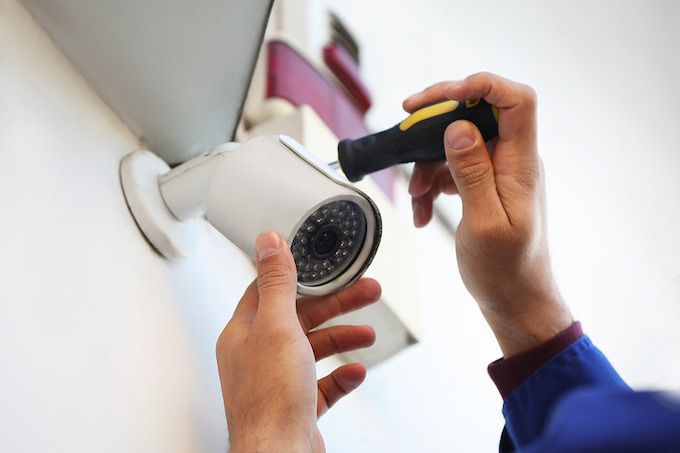
If you’re searching “CCTV installation”, you want one thing: footage that’s actually usable when something happens. Not blurry night video. Not cameras pointed at glare. Not a system that stops recording when the internet drops out. This guide walks you through what matters in a real-world install: camera placement, recording/storage, remote viewing, and the quote questions that stop you getting ripped off. ASC has been delivering security solutions for over 40 years, including CCTV supply, installation and ongoing support by licensed technicians.
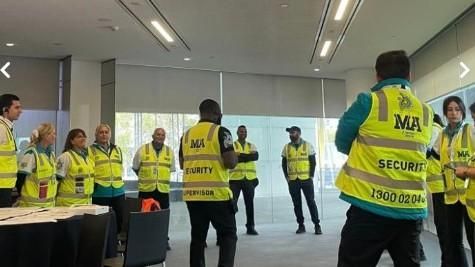
In the lead-up to Christmas, the Australian security and facilities services market has been disrupted by the reported collapse of MA Services Group. ABC News has reported that administrators were appointed to MA Services (a Melbourne-based provider of security, cleaning and maintenance services) and that up to 1,700 roles may be impacted nationally. The report states the administrators have flagged immediate service reductions and redundancies, and noted that certain licensing conditions have been breached—meaning the business may be unable to lawfully continue some core functions. The administrators named in the report are Jason Tracy and Glen Kanevsky of Alvarez & Marsal. This is an evolving situation. Below is a practical overview of what’s been reported and what organisations should prioritise right now. What’s been reported publicly Based on the ABC report: MA Services delivered security and related services across every Australian state and territory. Their client base included major retailers (including Coles, Kmart, Aldi, Amazon and Dan Murphy’s), various councils, and Victorian government locations (including Southern Cross Station and Federation Square). Administrators advised there would be immediate scaling back of services, driven by licensing constraints. Employee entitlements and wage payments have become a key concern, with the United Workers Union publicly commenting on the risk to affected staff, including workers who may not qualify for certain Commonwealth support schemes. Coles has also publicly stated it has implemented interim measures while transitioning to a new security provider. What this means for sites and decision-makers When a large provider exits suddenly, the operational risk isn’t theoretical — it shows up immediately at the front door, on the floor, and in the incident register. If you’re responsible for security outcomes (retail, logistics, government, venues, health, or corporate), the priorities are straightforward: 1) Safety and continuity (deliverability) Validate which sites are exposed today: guards, patrols, control room coverage, after-hours response, keyholding, and contractor access. Put temporary coverage in place where required (especially high-risk locations, high-foot traffic, and known shrink/violence hotspots). Confirm who is managing incident response, escalation, and reporting while the transition is underway. 2) Legal and licensing (compliance) Confirm the replacement provider’s licences and ability to perform the required scope in each state/territory. Verify guards are correctly licensed, inducted, and award-compliant (rates, rosters, fatigue management, and supervision). Ensure site instructions, use-of-force limitations, and reporting obligations are current and controlled. 3) Commercial exposure (profitability + cashflow) Review your current contract position: termination provisions, step-in rights, and service credits. Tighten purchase order controls and confirm who can authorise emergency coverage. Avoid “double paying” during handover: reconcile what has been delivered vs. what has been invoiced, and document all interim arrangements. Supporting impacted workers the right way A sudden administration event creates real uncertainty for frontline staff—especially in the final pay cycle before Christmas. For organisations engaging new coverage quickly, there is a responsible way to do this: Use structured mobilisation: licensing checks, quick-turn onboarding, and formal site induction. Maintain ethical labour standards: correct pay rates, clear rosters, safe hours, and supervision. Keep client expectations realistic: rapid coverage is achievable, but quality and compliance must not be traded away for speed. The market will stabilise, but the next 7–14 days will be the pressure point. Our position and readiness At Australian Security Company (ASC), our operating model is built around lawful delivery, controlled mobilisation, and auditable outcomes. In periods of industry disruption, the organisations that do best are the ones that treat security as a regulated service — not a commodity. If your sites have been impacted (or you’re unsure), the fastest path to stability is a short, structured transition plan: Immediate risk triage (by site and trading hours) Interim coverage where required Rapid compliance onboarding (licensing, induction, post orders) Handover into BAU with reporting and KPI cadence Need coverage or a transition plan? If your organisation has been affected by the MA Services administration, we can assist with: Emergency guarding uplift Patrol and keyholding support Site-by-site transition planning Compliance and award-aligned deployment models Contact our team to assess exposure, prioritise critical sites, and lock in a compliant continuity plan. Note: This post is based on publicly reported information from ABC News and administrator statements referenced in that reporting. Details may change as the administration process progresses.
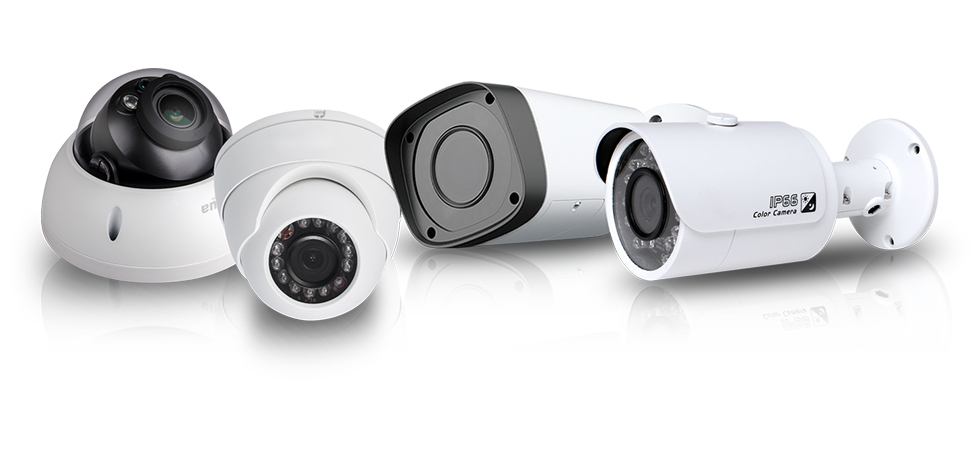
At Australian Security Company (ASC), we understand that protecting your people, property, and assets is not just essential—it's urgent. Whether you're a business, facility manager, or homeowner, the cost of security upgrades can sometimes be a barrier to taking action. That’s why we’ve partnered with Finlease, one of Australia’s most trusted equipment finance specialists, to offer flexible finance options tailored to your security needs.
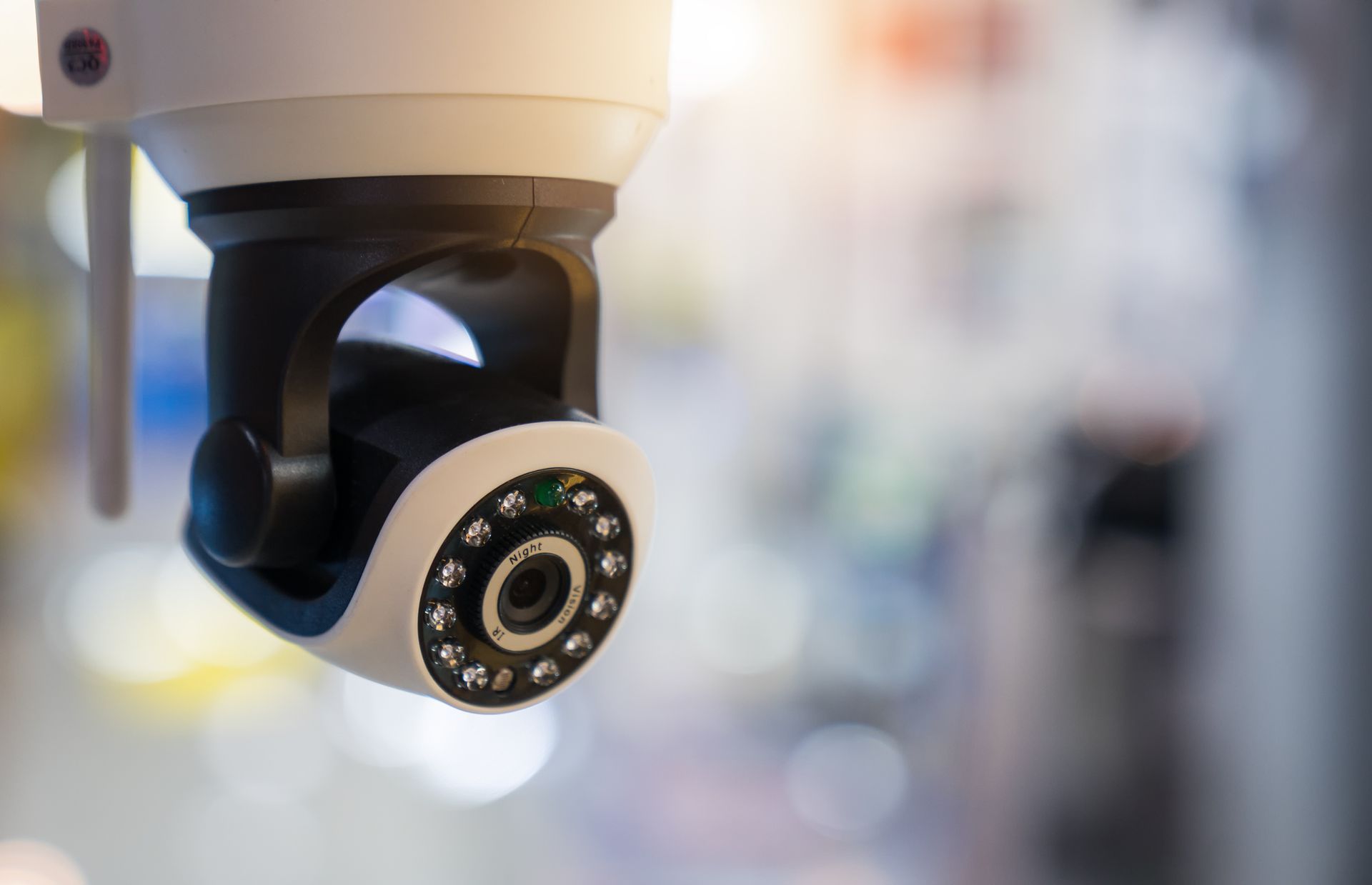
A recent Channel 7 investigation has brought to light serious concerns about CCTV systems that could be used in childcare environments. According to a leading cyber security professional, many cameras across Australia are exposed online due to poor configuration — not because the centres themselves were compromised, but because individual cameras were left accessible to the public internet, due to improper installation techniques.

The body content of your post goes here. To edit this text, click on it and delete this default text and start typing your own or paste your own from a different source.

We’re incredibly proud of our ASC & Total Focus Group for securing second place at the Gallagher Charity Golf Day, where the event raised an impressive AUD 57,000 to support Bravehearts in their vital fight against child sexual abuse This annual event—Gallagher’s third since partnering with Bravehearts in 2022—drew over 130 participants to The Palms Golf Course at Sanctuary Cove, marking a record turnout and fundraising total The funds raised translate directly into 380 specialist trauma-informed counselling sessions and safety education for over 4,750 children across Australia A special shoutout as well to Rod & Peter from Goodman Fielder, whose participation helped elevate the event’s impact. We’re grateful to everyone whose efforts made this day a true win—for teammates, Hole‑in‑One donors, and most importantly, Bravehearts.
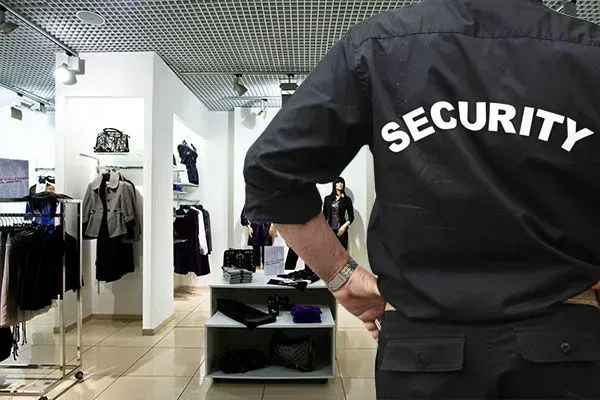
Retail crime is a serious problem
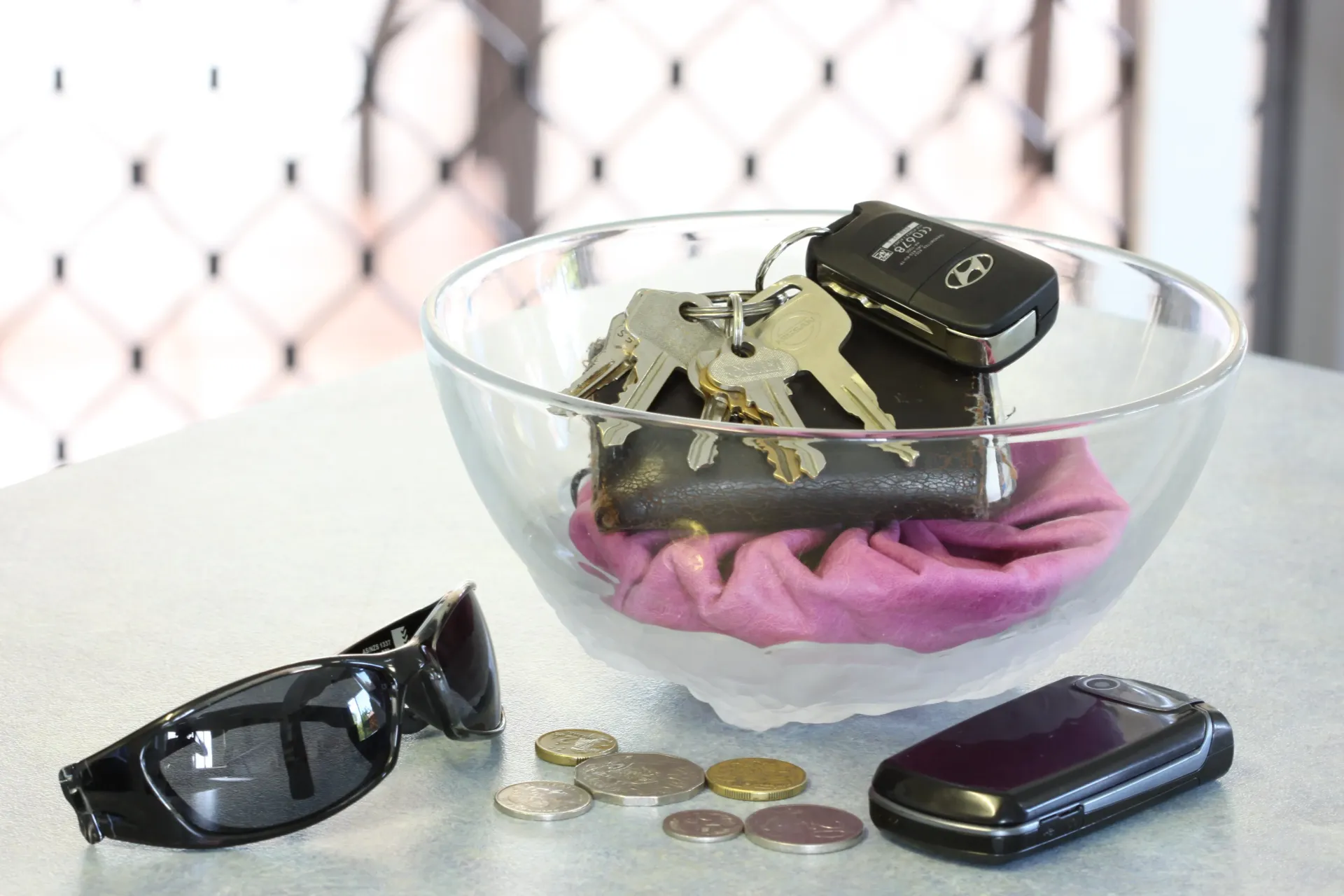
When planning a vacation or heading out for an extended trip, the importance of home security cannot be overstated. Home security systems are not just a luxury; they are essential for property protection and peace of mind. A well-implemented security system acts as a formidable barrier against potential intruders, ensuring that your home remains safe while you’re away. Security awareness is crucial in today’s world, where burglaries can happen at any time. By understanding the risks associated with leaving your home unattended, you can take proactive measures to safeguard your property. Simple home safety tips such as installing motion sensor lights, using smart locks, and setting up surveillance cameras can significantly enhance your home's defenses. Moreover, consider utilizing services that monitor your property remotely. Many modern security systems come equipped with mobile alerts that keep you informed about any unusual activity while you enjoy your vacation. Implementing these strategies not only protects your belongings but also provides invaluable peace of mind, allowing you to relax fully during your time away from home. Don’t leave the safety of your property to chance—prioritize home security before embarking on your next adventure!
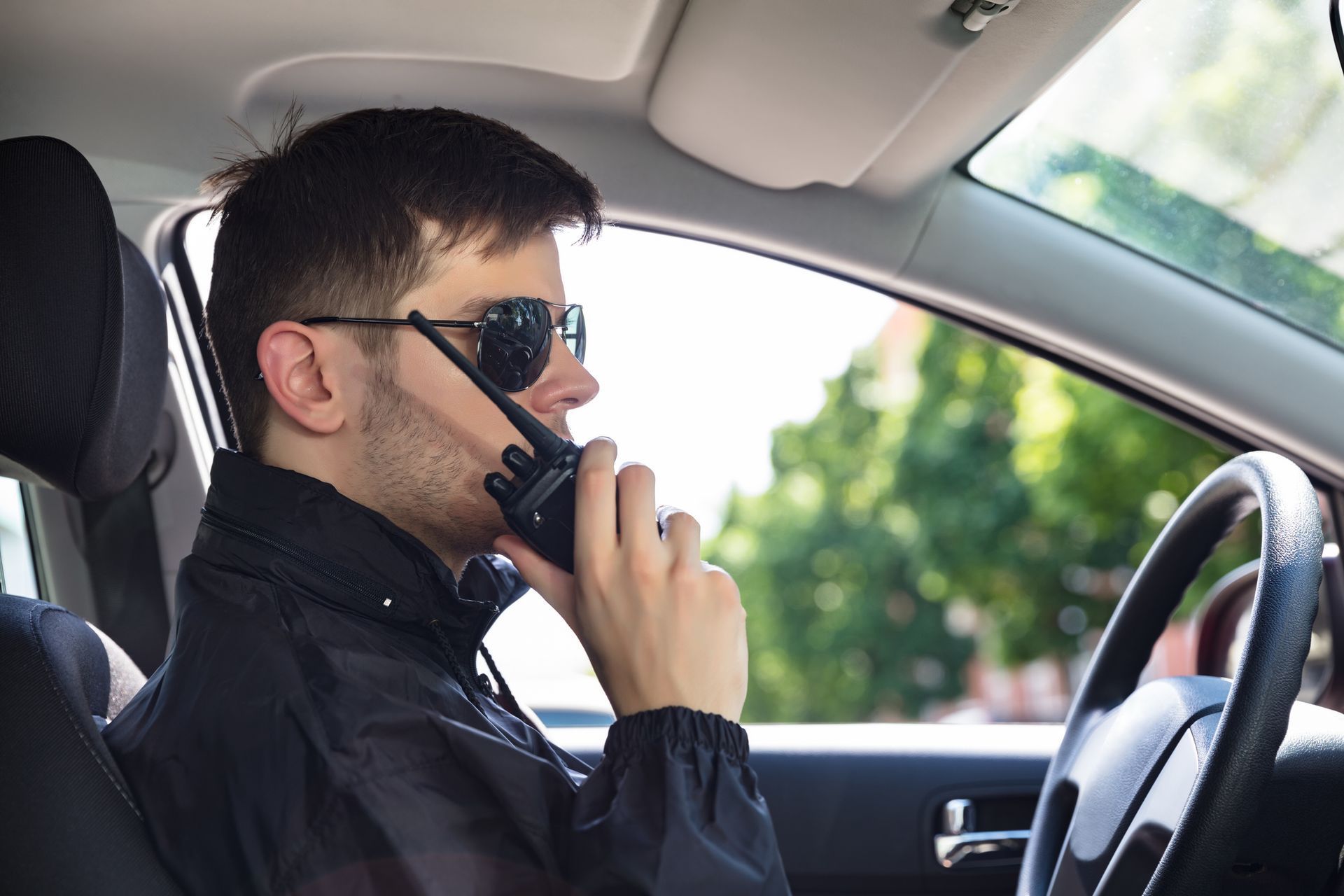
What are Mobile Security Patrols?