by Nicholas Domartschuk
•
7 April 2026
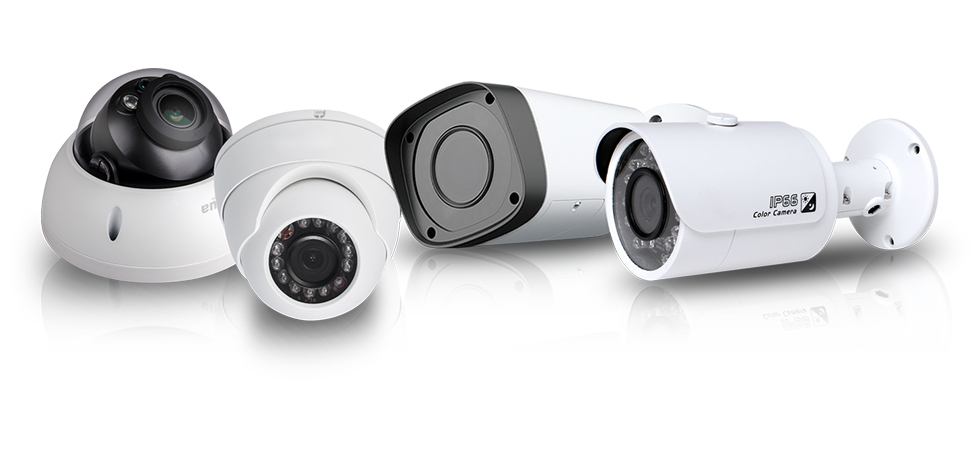
Families across South East Queensland are hearing mixed messages about crime. Some headlines say victim numbers are falling. Others point to rising assaults and ongoing community concern. The honest answer is that both things can be true depending on the suburb, the offence type and the timeframe being measured. Across the latest SEQ regional data, some areas recorded lower overall and property-crime rates, while others still moved in the wrong direction. That means the right response is not fear, and it is not complacency either. It is practical prevention. Looking specifically at South East Queensland, the 2023–24 regional figures showed overall recorded offence rates falling in areas including Ipswich, Brisbane South, Brisbane Inner City, Moreton Bay North, Moreton Bay South and the Sunshine Coast. But they rose in places including the Gold Coast, Logan–Beaudesert, Brisbane East, Brisbane North and Brisbane West. Property crime showed the same mixed pattern. Brisbane South, Brisbane Inner City, Ipswich and Moreton Bay North improved, while the Gold Coast, Logan–Beaudesert, Sunshine Coast and Brisbane West all recorded increases in property offence rates. In plain English, that means broad statements like “crime is down everywhere” do not hold up well under scrutiny. Statewide recorded-victim data tells a similar story. In Queensland during 2024, robbery victims fell 7%, unlawful entry with intent fell 9%, and motor vehicle theft fell 4%. Those are encouraging signs for households worried about break-ins and stolen cars. But assault victims rose 5% to 61,644, while sexual assault victims rose 11% to 9,326, the highest level in the series. So the more accurate takeaway is this: some property-crime indicators are improving, but serious personal offending is still a major issue. More recent government updates have leaned positive. In October 2025, Queensland reported that victim numbers per capita across nine major categories were down 10.8% for January to September 2025, with stolen car victims down 15.6%, break-ins down 21.2% and robberies down 12.6%. In early 2026, the government and ABC again referred to a 7.2% reduction in victims in 2025. But that figure has also been challenged publicly by criminologists over how “victims” were defined and compared. That matters because homeowners deserve facts, not slogans. The sensible conclusion is that there are positive movements in some categories, especially property crime, but there is still enough risk in SEQ to justify taking home security seriously. So what can people actually do in their own homes? Queensland Police recommend a layered home security approach. That means looking at security from the outside in: perimeter, walls and access points, internal areas, property and the habits of the people living there. The point is simple. Most break-ins are opportunistic. Offenders tend to look for easy entry, poor visibility, visible valuables, open windows, unsecured keys, weak doors and homes that appear unoccupied. Start with the basics first, because that is where many homes lose the fight. Keep external doors locked even when someone is home. Make sure doors are solid and fitted with quality locks. Fit proper window locks. Store house keys, car keys, wallets and phones out of sight. Keep garages and sheds shut and locked. Trim trees and shrubs so offenders have fewer hiding spots and better visibility into the property. Add perimeter lighting or sensor lights around vulnerable access points. These are simple steps, but they directly target the sort of easy opportunity offenders look for. Vehicle security also matters more than many homeowners realise. Queensland Police note that street parking increases the risk of theft. Off-street parking, locked gates and locked garages are better. Doors should always be locked, windows fully closed and valuables kept out of sight. A compliant engine immobiliser is one of the strongest deterrents against opportunistic vehicle theft, but it is still useless if offenders can get easy access to your keys. In many home break-ins, the target is not just what is inside the house. It is the vehicle sitting outside as well. CCTV and alarms are most effective when they are part of a proper system, not just a box off the shelf. Queensland Police describe CCTV as a crucial investigative tool and encourage households to register cameras through the Community Camera Alliance, which helps police identify where useful footage may exist after an incident. Cameras should be positioned to cover real entry and exit paths, not just random angles. Alarms should protect vulnerable doors, windows and garages. Good lighting should work with the cameras, not against them. And for many households, monitoring is what turns a noise into an actual response. Neighbourhood habits still matter too. The Queensland Police Safer Together initiative focuses on reducing home break-ins and vehicle theft partly through stronger local awareness and community participation. That means knowing your neighbours, reporting suspicious activity early, and not assuming somebody else will do it. If something is happening right now, call Triple Zero. If it is non-urgent, Queensland Police say residents can report online or contact Policelink on 131 444. Fast reporting helps protect more than one house. It protects the whole street. At Australian Security Company, the goal is not to scare people. It is to help homes and businesses in Brisbane, the Gold Coast, Logan, Ipswich, Moreton Bay and the Sunshine Coast build smarter protection. That means layered security, better entry-point protection, properly positioned CCTV, alarm systems that suit the property, and monitoring that adds real value when seconds matter. Because whether crime is slightly down, slightly up, or mixed across South East Queensland, the same truth remains: the easier a property looks, the easier it is to target. Sources used Queensland Treasury, Crime report, Queensland, 2023–24. Australian Bureau of Statistics, Recorded Crime – Victims, 2024. ABC News, Queensland to expand to adult crime, adult time laws for a second time (3 February 2026). Queensland Ministerial Media Statements, Fewer victims of crime as 2,986 youths charged under Adult Crime, Adult Time (7 October 2025). Queensland Ministerial Media Statements, Statewide crackdown on break-ins, robberies and stolen cars to reduce victims of crime (25 February 2026). Queensland Ministerial Media Statements, 1,300 charged with 4,000 offences amid South Brisbane police blitz (2 March 2026). Queensland Police Service, Home and multi-residential security, Vehicle and bike security, Community Camera Alliance, Safer Together, and Policelink – Reporting. A strong next move would be to turn this into a suburb-targeted version for Brisbane, Gold Coast, or Logan so the SEO intent is tighter and the conversion angle is stronger.